Seven Explanations On Why Composite Door Crack Repair Is Important
How to Repair a Cracked Composite Door Although composite doors are extremely robust however, they can still develop cracks as a result of wear and tear. Thankfully cracks like this are generally simple to repair. All you need is an plastic filler, a uPVC-friendly cleansing agent (HG uPVC Powerful Cleaner is ideal) and a medium-to-fine grit Sandpaper. First, you must clean the crack. Identifying the Crack Composite doors are a popular choice for front doors due to their strength and aesthetic. Like all doors that is made of wood, composite doors can face issues with time. Luckily, most of problems can be solved without the need to call experts. If you hear a loud cracking sound each time you open or shut your composite door, it could be that the frame is damaged. This is particularly true if the crack is visible along the edges of the frame. In this situation, it is possible that the door and frame were not properly fitted at first. It's worth contacting the professional installer who fitted your composite door, since they'll be able to help resolve this problem. Incorrect alignment of hinges and latches is another issue that can be found in composite doors. This can be caused by excessive wear and tear or excessive use, but can also be caused by variations in humidity and temperature. Fortunately, this is a issue that can be solved by simply changing the screws. You might also notice that the frame of your composite door is too small. This can happen if the frame isn't installed properly by an experienced professional installer. If the frame is too small, it will not be strong enough to support the weight of the door. This can lead to cracking, warping, or creaking. Another potential cause of cracks in a composite door is weather damage. Weather damage is typically caused by a worn or damaged weather seal. This could allow rain and debris to enter your home, as well as cold air. It is simple to fix an issue with a seal that is damaged or not functioning by replacing it with a seal designed for composite doors. Regular cleaning is the most important aspect of maintaining the exterior of a composite door. This will prevent scratches or marks on the surface, as well as preventing stains. Clean your composite door with soapy water every week at a minimum to prevent hardware pitting. You should also lubricate hinges yearly. Cleaning the Crack 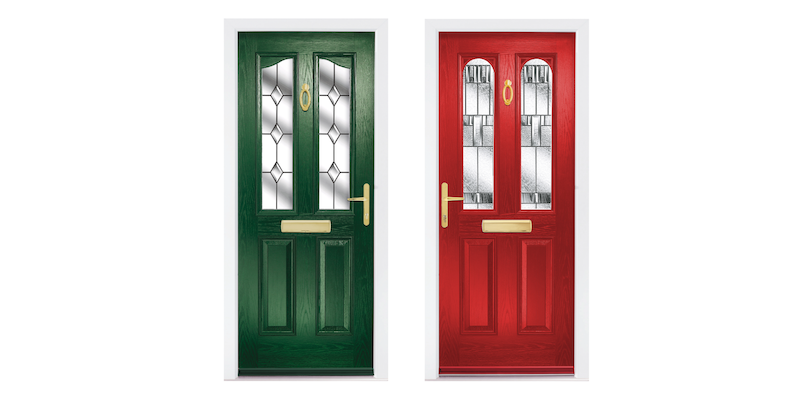 Composite doors are popular among home owners because of their long-lasting durability and low maintenance feel. Over time, they may be prone to a variety of common issues like cracks and warping. The majority of these issues can be solved without the assistance of a professional. A composite door has a solid wood core to provide strength and stability, and uPVC for weatherproofing. The exterior skin is made of glass reinforced plastic (GRP), which is available in a variety of designs and finishes, including woodgrain or a smooth contemporary finish. The combination of these two materials ensures that composite doors are extremely durable and resistant to moisture and scratches. Keep your composite door dry and clean to maintain its good looks. You can keep your composite door looking good by cleaning it regularly with gentle cleanser and a soft cloth. However, you should also clean the door after prolonged exposure to sunlight or rain. Avoid using abrasive cleaning products because they can harm the surface. Always make sure to use clean water when you're done. Regularly cleaning the hinges and locks of your composite door is another easy method to maintain its appearance. A lubricant made specifically for uPVC doors and locks will work well, but be careful not to use too much as too much grease can cause the lock to stick or not work at all. Check the weather stripping on your composite door to make sure it's intact and functioning properly. richmond composite door hinge replacements will cut down on drafts and you can save money on your heating bill. Modern composite doors are durable and resistant to most common issues. However they are susceptible to being damaged by sudden temperature fluctuations or general wear and tear. Fortunately, it is not often required to hire a professional to fix these problems, and even large cracks can be fixed with a bit of plastic filler and sandpaper. Filling the Crack Although composite doors are robust, they are susceptible to cracking as a result of physical damage such as scratches or impacts, or even changes in humidity and temperature. Cracks that are caused by these factors can be easily repaired using an easy DIY technique. First, you'll have to determine the cause of the crack first. You must determine the source of the. It could be as easy as hearing an audible cracking sound every time you shut or open the door. However, it could be more significant such as visible cracks or damage to the exterior glass panel. If the issue is more severe, you will need to seek help from a professional. The next step is to apply a filler on the cracked area. You can buy plastic fillers that are specially made to be used on uPVC and composite materials. These will usually be a combination of liquid and powder that has to be mixed and then applied immediately, since they set quickly. Use a putty blade to apply the filler, making sure you get it all the way to the other side. After the filler has been applied and dried, you'll need to sand down the surface to give it a smooth finish. To do this, you can make use of an electric sander or a light sanding tool. After sanding the surface, you'll require a clear layer of varnish or polyurethane to protect your door and filler. If the sound of hinges on your doors is making you hear cracking sounds It is recommended to lubricate the hinges to prevent them from falling or becoming stiff with time. This will ensure the hinges' integrity and extend their lifespan. You can also keep your composite door looking as beautiful as new by frequently sanding it down, using touch-up pens to repair any scratches or dents and then reapplying paint in the same color to create a consistent look. Regularly lubricating all moving parts will ensure they operate smoothly and improve the lifespan of your composite door. This easy step is often ignored however it can make a an enormous difference to the functionality and appearance of your composite door. Sanding the Crack Composite doors are strong and durable but they can crack or squeak. You're most likely to experience these issues with the frame, which can happen for various reasons, such as the weathering process and general wear and tear. If you're concerned that your composite doors are starting to show signs of aging, there are a few easy steps you can take to fix the issue. Clean up the crack and surrounding area. This will prevent dirt from getting mixed in with your subsequent repair work. Use a uPVC-friendly and fragrance-free cleaning agent, such as HG uPVC Powerful Cleaner, available on Amazon to clean any accumulated dirt and grit. Let the area dry completely before moving on. After the crack has been cleaned and dried, you can begin the composite door crack repair. Depending on if your door is painted, you can select between filler and putty for this step. If your door is painted, choose the wood filler that will be sanded following its setting. After you've applied the chosen filler, let it set. Sanding the compound down will help to smooth out the surface and make it look a little more natural. Before you begin sanding you'll want to consider the size of the crack. If the crack is more extensive than the crack, you'll need more than just filler or putty to fix it. If you see signs of this on your door, you may need to install a wooden spline for an extra-long-lasting solution. It is recommended to place the door frame and hinges in a proper way to avoid a split. It is also crucial to grease all moving parts, including hinges, using the lubricant specifically designed for uPVC or composite materials. This will help reduce friction and ensure that your composite door is running smoothly for a long time.